
A complete request for quotation helps suppliers compare the right material, production route, testing scope, and delivery requirements. It also reduces technical revisions after pricing has started.
Engineering and purchasing summary
The practical rule
A usable RFQ identifies one governing product specification, one grade, measurable dimensions, quantity, delivery condition, inspection scope, document requirements, and destination for every line item. If a value is still open, mark it for supplier review instead of leaving it unstated.
Minimum information for a technically complete steel pipe RFQ
| RFQ field | What to state | Why it matters |
|---|---|---|
| Product basis | Product type, standard, edition, grade, PSL or class where applicable | Controls chemistry, manufacture, tests, and acceptance |
| Dimensions | NPS or OD, schedule or wall thickness, length, and tolerances | Prevents mismatch with fittings, design, and fabrication |
| Quantity | Pieces, metres, or tonnes for each size; overage tolerance if allowed | Affects mill route, yield, packing, and price |
| Ends and processing | Plain, beveled, threaded, coupled, grooved, cut, or machined | Changes production sequence and usable length |
| Quality scope | Tests, inspection level, MTC type, traceability, and third-party hold points | Determines production controls and document package |
| Delivery | Finish, coating, packing, Incoterm, destination, and required date | Defines preservation, logistics, and commercial basis |
1. Identify the product, standard, and grade
Begin with the exact product type and governing standard, such as seamless pressure pipe, API 5L line pipe, stainless steel tube, or structural hollow section. Add the complete grade and, when relevant, the product specification level, delivery condition, heat treatment, or supplementary requirement. Similar grade names are not automatically interchangeable.
2. Define dimensions without ambiguity
State outside diameter or section dimensions, wall thickness, and length in one consistent unit system. For nominal pipe size, include the schedule or actual wall thickness. For square and rectangular hollow sections, identify both side dimensions and the wall. Also specify fixed length, random length, and any permitted tolerances when they differ from the standard.
3. Confirm quantity, ends, and processing
Provide the required quantity by pieces, metres, or tonnes and indicate whether partial quantities are acceptable. Define plain, beveled, threaded, coupled, or grooved ends as applicable. Add cutting, drilling, bending, machining, marking, or fabrication requirements before pricing because these operations affect yield and lead time.
4. State inspection and documentation
List required chemical, mechanical, dimensional, visual, hydrostatic, or nondestructive tests. Identify the required mill test certificate and whether third-party inspection, witness points, photographs, traceability records, or additional reports are needed. Inspection requirements should be agreed before production.
5. Specify surface, coating, and packing
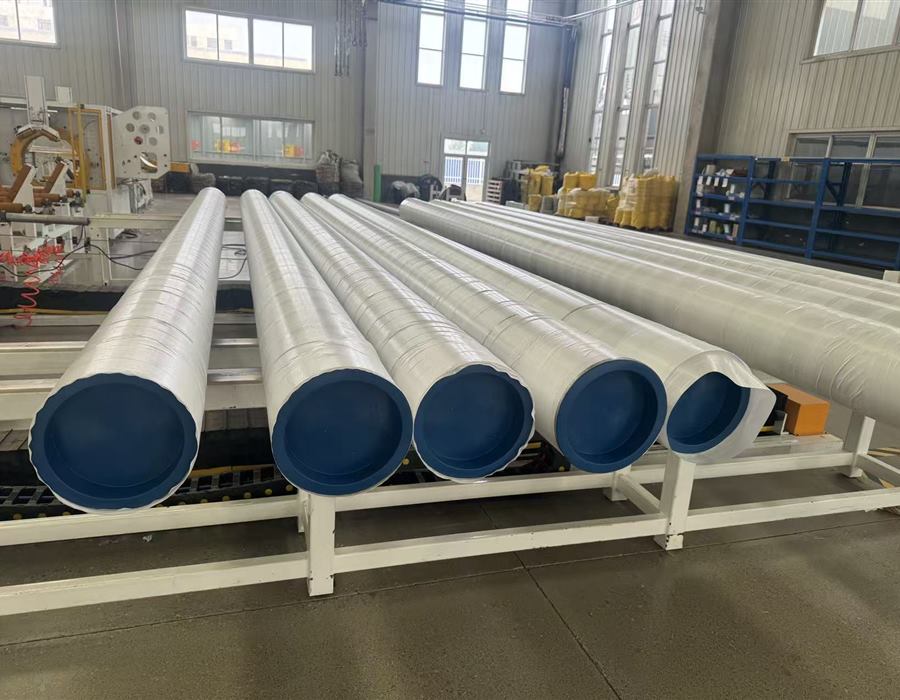
Describe the required finish or protective system, including bare, oiled, painted, galvanized, polished, pickled, or 3PE-coated supply. Where applicable, state the coating standard, thickness, color, cutback, or surface preparation. Packing should match the size, surface sensitivity, transport method, and destination handling conditions.
6. Add delivery and commercial details
Include the destination port or delivery location, required Incoterm, target schedule, and any restrictions on shipment size or documentation. Attach the project specification, material list, or drawing when available. A structured line-item table is especially helpful for mixed sizes and grades.
Procurement checklist
- Attach a size and quantity schedule for mixed orders
- Identify the governing unit system and do not mix rounded conversions
- List supplementary tests before quotation
- State whether substitutions require written approval
- Attach drawings, client specifications, or approved material lists
- Confirm the destination port and required shipping documents
Related steel pipe products
Technical references
Use the edition required by the purchase order or project specification. The links below identify the relevant standards organizations and public standard overviews.
Technical note: This guide supports purchasing preparation and does not replace the governing design code, current standard edition, client specification, or approval by the responsible engineer.
Send a clearer requirement
For quotation support, send your specification, size list, quantity, inspection requirements, packing needs, and destination to info@yzpipefittings.com.