
Dimensional mistakes are a common reason for steel pipe quotation revisions. A useful size description separates the nominal designation from the measurable outside diameter, wall thickness, and required length.
Engineering and purchasing summary
A size designation is not a complete dimension
For standard pipe, specify NPS or DN together with schedule or actual wall thickness and the applicable dimensional standard. For nonstandard dimensions, provide actual outside diameter, actual wall thickness, length, and acceptance tolerances.
How the main steel pipe dimension terms work together
| Term | Meaning | What belongs in the RFQ |
|---|---|---|
| NPS | Nominal Pipe Size; a dimensionless size designation | NPS plus schedule or actual wall thickness |
| DN | Metric nominal designation associated with a pipe size series | DN plus wall series or actual wall thickness and governing standard |
| OD | Measurable outside diameter | Actual OD, especially for nonstandard pipe or tube |
| Wall thickness | Nominal or ordered thickness between OD and bore | Schedule and/or actual millimetre or inch value |
| Schedule | A standardized wall-thickness series, not one constant thickness | Schedule number with NPS and dimensional standard |
| Length and tolerance | Random, fixed, cut, or project length plus permitted variation | Required length, tolerance, end preparation, and quantity basis |
NPS is a nominal designation
Nominal Pipe Size is a dimensionless size designator rather than a direct measurement of outside diameter for every size. DN is the related metric designation used in many specifications. Avoid treating NPS, DN, and measured outside diameter as automatically identical values.
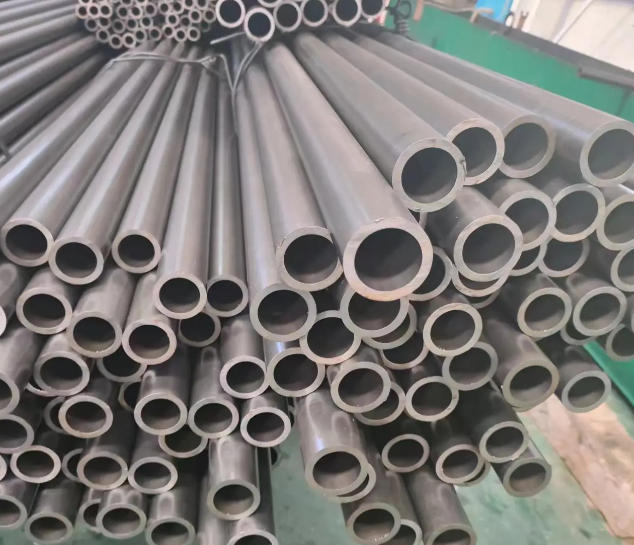
Outside diameter identifies the physical pipe size
For a given NPS within a dimensional standard, the outside diameter is fixed while wall thickness can change. When a project uses millimetres or a nonstandard size, state the actual outside diameter clearly. This is especially important when matching fittings, flanges, supports, or existing equipment.
Schedule is a wall-thickness series
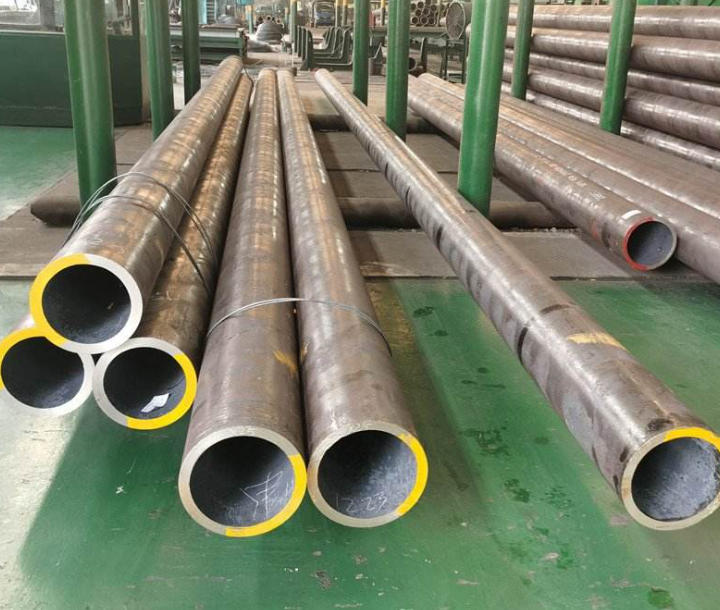
Schedule numbers organize common wall thicknesses, but the same schedule number does not mean one constant thickness across all nominal sizes. A complete inquiry should include NPS and schedule, or outside diameter and actual wall thickness. Stainless pipe may reference a different dimensional standard and schedule suffix.
Tolerances remain part of the product standard
Nominal dimensions are not the same as acceptance tolerances. Outside diameter, wall thickness, length, straightness, mass, and end dimensions are controlled by the applicable product and dimensional standards or by agreed project requirements. State tighter tolerances before quotation and production.
Write each RFQ line unambiguously
A strong line item identifies product standard, grade, NPS or OD, schedule or wall thickness, length, quantity, ends, and finish. Keep inch-pound and SI values in separate, internally consistent columns when both are provided, and identify which unit system governs the order.
Procurement checklist
- State whether NPS/DN or actual OD governs
- Provide schedule and actual wall where project documents show both
- Name ASME B36.10, B36.19, ISO 1127, or the applicable project basis
- Keep SI and inch-pound values in separate columns
- Define wall, OD, length, straightness, and ovality tolerances when critical
- Check compatibility with fittings, flanges, supports, and existing equipment
Related steel pipe products
Technical references
Use the edition required by the purchase order or project specification. The links below identify the relevant standards organizations and public standard overviews.
Technical note: This guide supports purchasing preparation and does not replace the governing design code, current standard edition, client specification, or approval by the responsible engineer.
Send a clearer requirement
For quotation support, send your specification, size list, quantity, inspection requirements, packing needs, and destination to info@yzpipefittings.com.