
Manufacturing route is one of the first technical choices in a steel pipe inquiry. It affects available dimensions, weld configuration, production economics, inspection planning, and the standards under which a product can be supplied.
Engineering and purchasing summary
Do not rank the processes without context
The correct manufacturing route is the one permitted by the product standard and project specification for the required diameter, wall, service, inspection level, quantity, and delivery schedule. A welded route is not automatically inferior, and seamless is not automatically required.
Manufacturing-route comparison for early project selection
| Route | Seam configuration | Common purchasing strengths | Buyer must confirm |
|---|---|---|---|
| Seamless | No welded seam | Pressure, high-temperature, mechanical, and process applications where permitted | Size and wall availability, heat treatment, testing, and dimensional tolerance |
| ERW / HFW | One longitudinal resistance weld | Efficient repeat production for line, structural, mechanical, and utility pipe | Weld treatment, seam NDT, hydrotest, grade, and applicable standard |
| LSAW | One longitudinal submerged-arc weld | Large diameters, heavier walls, line pipe, piling, and fabricated project sizes | Forming route, seam configuration, plate grade, NDT, and end tolerances |
| SSAW | Helical submerged-arc weld | Broad diameter range for water, piling, structural, and approved pipeline service | Project approval, coil grade, spiral-seam inspection, hydrotest, and coating |
Seamless pipe
Seamless pipe is produced without a longitudinal or spiral weld seam. It is commonly specified for pressure, high-temperature, mechanical, and process applications where the governing material standard requires or permits seamless manufacture. Available size, wall, heat treatment, and testing depend on the selected specification and mill route.
ERW pipe
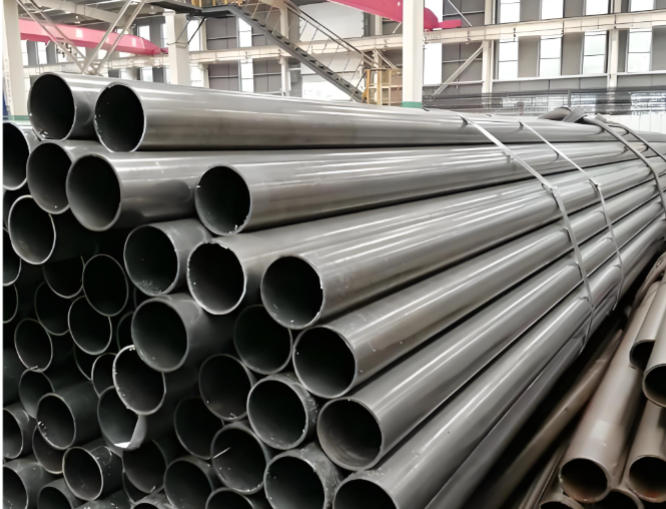
Electric-resistance-welded pipe is formed from strip or plate and joined along a longitudinal seam using resistance heating and pressure. Modern ERW production can provide efficient supply for line pipe, mechanical, structural, and utility applications. The product standard controls seam treatment, testing, and acceptance criteria.
LSAW pipe
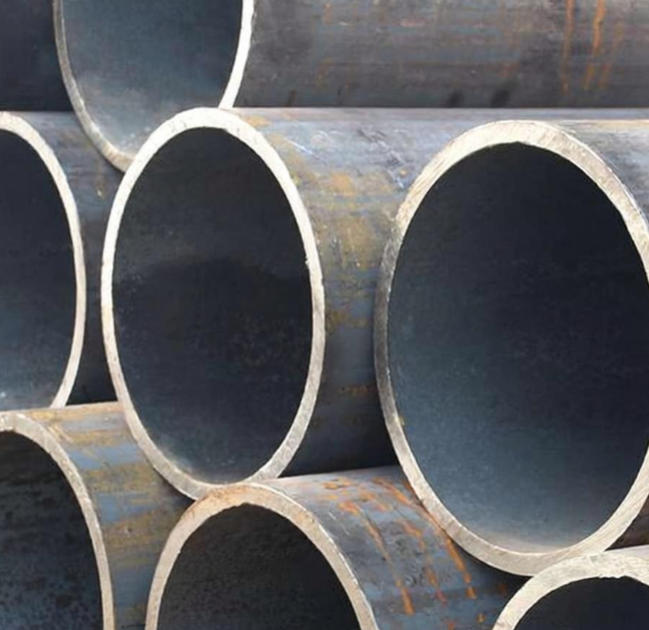
Longitudinal submerged-arc-welded pipe is generally formed from plate with one longitudinal seam and submerged-arc welding. It is frequently considered for larger diameters, heavier walls, and line-pipe or structural projects. Forming method, seam configuration, dimensional tolerances, and inspection scope should be stated or reviewed against the project specification.
SSAW pipe
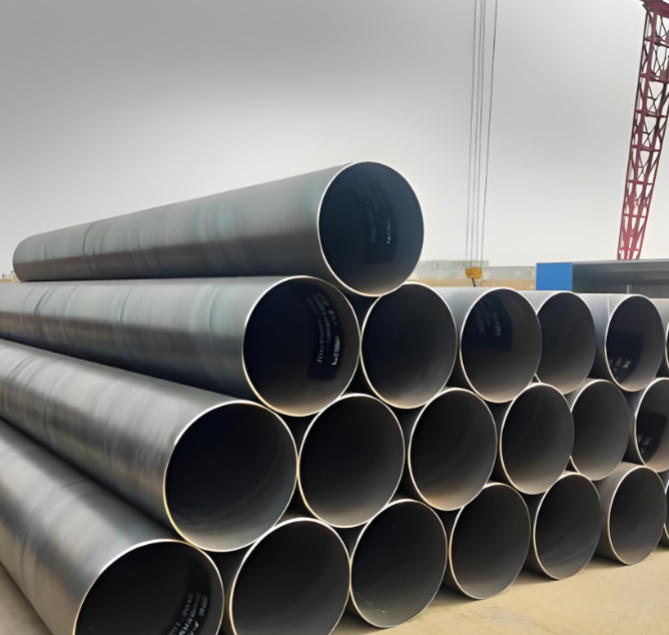
Spiral submerged-arc-welded pipe is formed helically from coil or plate, creating a spiral weld seam. It can be economical for water transmission, piling, structural, and some pipeline applications across broad diameter ranges. Suitability depends on the governing standard, design requirements, service, and purchaser approval.
Choose by specification, not a simple ranking
No manufacturing route is automatically best for every project. Compare the approved standard, dimensions, pressure or structural duty, service environment, seam inspection, required tests, quantity, lead time, and lifecycle requirements. The RFQ should name the permitted route rather than leaving a critical design choice implicit.
Procurement checklist
- Name every permitted manufacturing route in the RFQ
- Confirm the product standard and grade before comparing price
- State OD, wall, length, and quantity
- Define seam and pipe-body NDT requirements
- Specify hydrostatic testing and acceptance documents
- Review coating, bevel, ovality, and transport limitations
Related steel pipe products
Technical references
Use the edition required by the purchase order or project specification. The links below identify the relevant standards organizations and public standard overviews.
Technical note: This guide supports purchasing preparation and does not replace the governing design code, current standard edition, client specification, or approval by the responsible engineer.
Send a clearer requirement
For quotation support, send your specification, size list, quantity, inspection requirements, packing needs, and destination to info@yzpipefittings.com.