
A mill test certificate is useful only when its identity, results, and traceability match the delivered material and the purchase specification. Document requirements should be agreed before production, processing, and shipment.
Engineering and purchasing summary
A certificate is only as useful as its traceability
Accept the document package only after the ordered specification, grade, dimensions, heat number, manufacturer, and reported results have been matched to the physical marking and packing records. A certificate that cannot be linked to the delivered pipe does not provide complete traceability.
Core checks during mill test certificate review
| Review area | Evidence to verify | Common risk |
|---|---|---|
| Product identity | Manufacturer, product, standard, grade, dimensions, quantity, and order reference | Certificate belongs to another size, grade, or order |
| Heat traceability | Heat or cast number matches pipe marking, tags, and packing list | Identity is lost after cutting, coating, or repacking |
| Chemistry | Reported heat analysis and any required product analysis | Values or test basis do not match the ordered specification |
| Mechanical results | Yield, tensile, elongation, impact, hardness, or flattening results as required | Only generic compliance statements are supplied |
| Process and tests | Heat treatment, hydrotest, NDT, coating, and supplementary test records | Required test or hold point was not included |
| Authorization | Document type, validation, inspector or manufacturer authorization as required | Requested EN 10204 or third-party status is unclear |
Define the required document type
State the inspection document or certificate type required by the purchase order and governing specification. A generic request for an MTC can be interpreted differently across markets. If a project calls for a particular EN 10204 document, client format, or authenticated copy, identify it explicitly.
Check product identity and heat information
The certificate should identify the manufacturer, product description, specification, grade, dimensions, quantity, heat or cast number, and relevant order references. These identifiers should correspond with pipe markings, tags, packing records, and the material supplied.
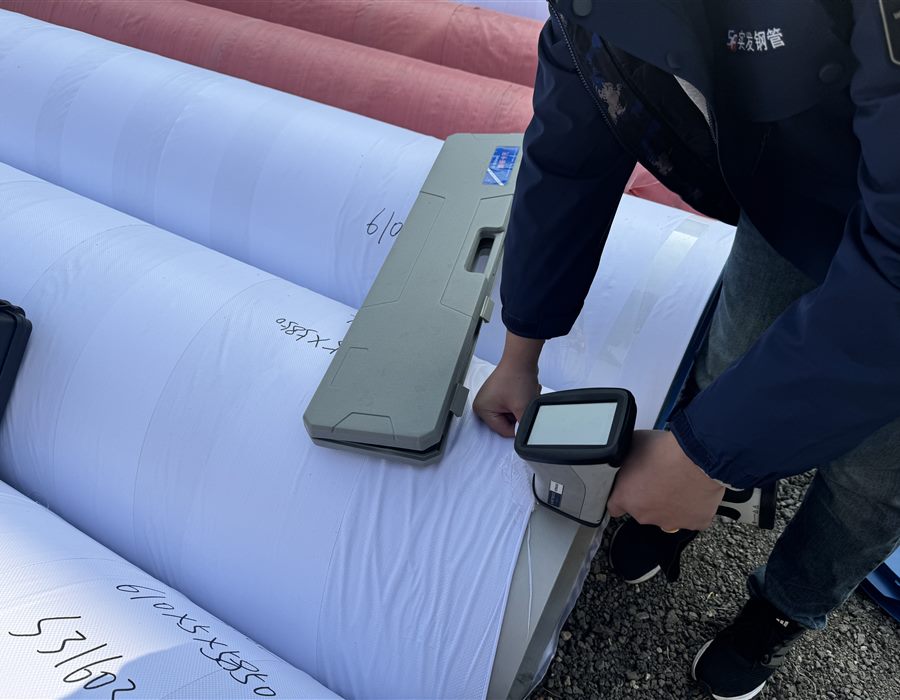
Review actual test results
Verify reported chemical composition, mechanical properties, heat treatment, and required product tests against the ordered specification. Where hydrostatic, nondestructive, impact, hardness, corrosion, coating, or supplementary tests are required, confirm how their results and acceptance are documented.
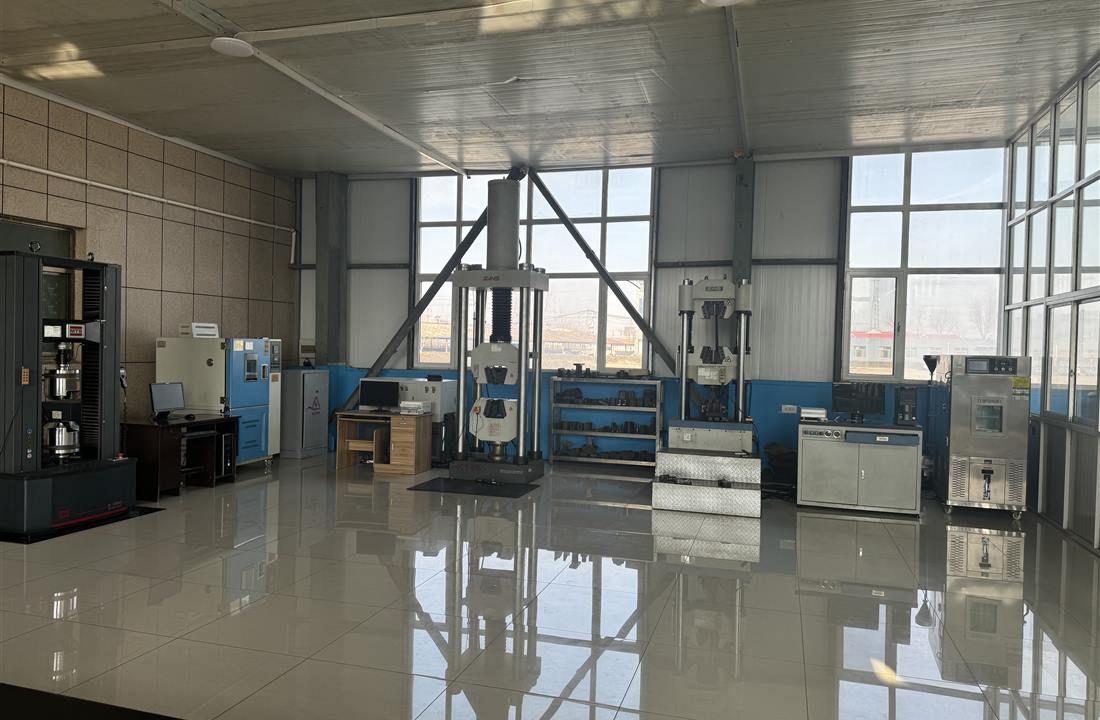
Protect traceability through processing
Cutting, machining, coating, galvanizing, and repacking can separate material from its original marking. Agree how heat numbers or traceability codes will be transferred and recorded through each operation. For mixed heats or sizes, packing lists and piece or bundle identification become especially important.
Coordinate third-party inspection early
Third-party witnessing or document endorsement cannot be added reliably after required hold points have passed. Define the inspection agency, notice period, witness points, release note, photographs, and final document package before production begins.
Procurement checklist
- Define the required certificate type in the purchase order
- Match heat numbers across MTC, pipe marking, tags, and packing list
- Review actual results against the ordered edition and grade
- Agree marking transfer before cutting or processing
- Set third-party witness and hold points before production
- Request a final indexed document package before shipment
Related steel pipe products
Technical references
Use the edition required by the purchase order or project specification. The links below identify the relevant standards organizations and public standard overviews.
Technical note: This guide supports purchasing preparation and does not replace the governing design code, current standard edition, client specification, or approval by the responsible engineer.
Send a clearer requirement
For quotation support, send your specification, size list, quantity, inspection requirements, packing needs, and destination to info@yzpipefittings.com.